For the longest time (two years, I guess) I've been thinking that I was done with this blog. I was posting most content to FB, and that seemed like enough. Additionally, my bestest dressage friend, trainer, and almost-mom, Suzanne, passed away from cancer in April 2019. It was, and remains, a huge blow, and my grief is almost as enormous as when my father passed. I'd known her since 1995, and she and I were so utterly sympatico, especially when it came to dressage (and senses of humor). I used to text her several times a week for help with my training, and she always, always answered with long, detailed missives that covered both the practical side of things and the theory. I miss her so much. Her loss has affected my riding for the last 15 months -- it's not that I haven't been riding, but it's been much reduced, and I have no trainer. Even the notion of going to clinics sparked more grief. I'm finally starting to exit the fog. Clair and Dakota are enjoying their own private pasture at a lovely, local, mostly-Western facility. And I'm getting my mojo back.

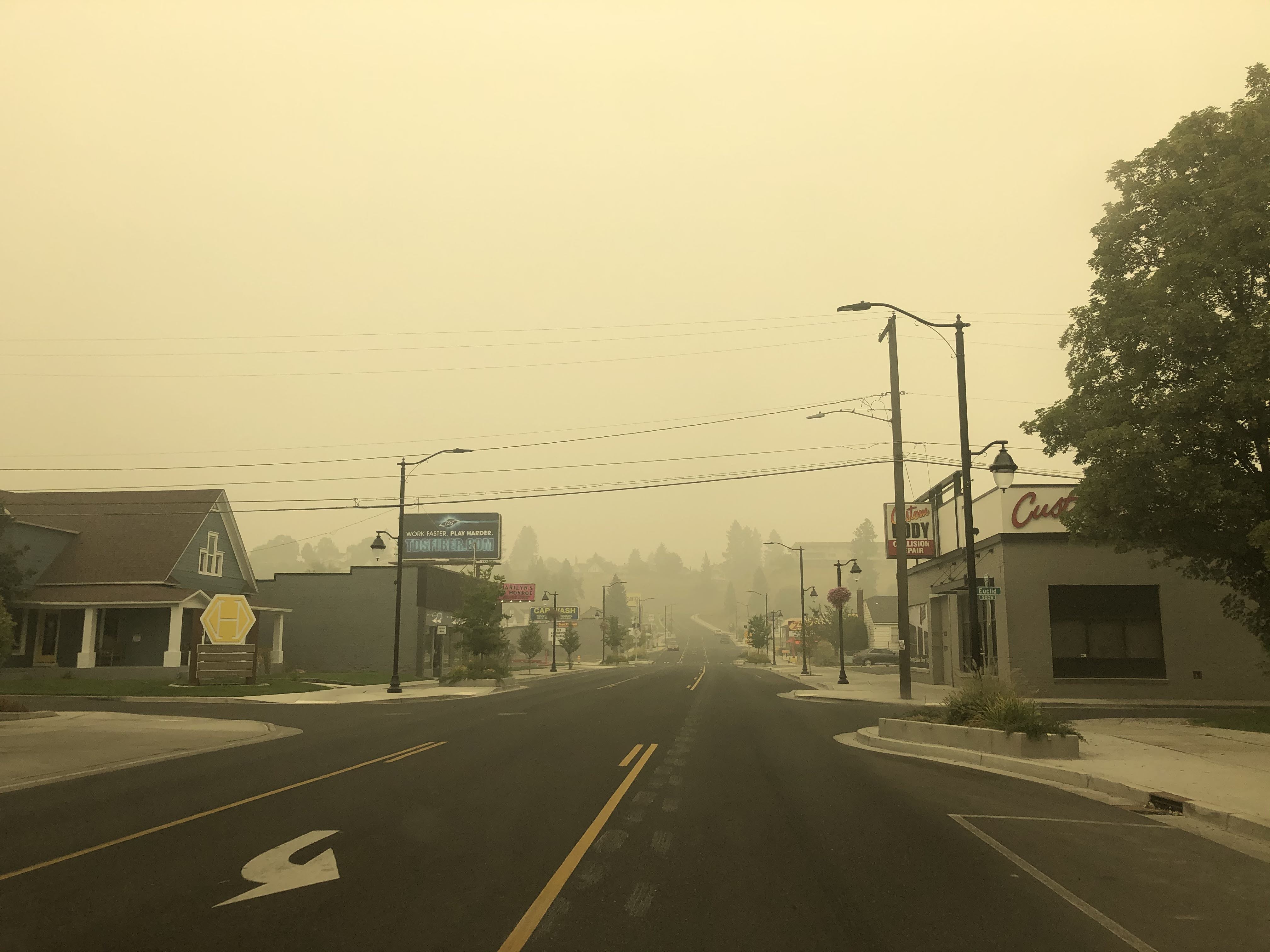
Not long after Suzanne passed, my husband and I decided to move back to the Pacific Northwest to be closer to his elderly mother. Housing was most reasonable in Spokane, so that's where we ended up. I love it here. Mountains, and about 100 crystal-clear lakes within an hour's drive. It's a very hip, cool city, with great restaurants and breweries. The Spokane River runs through the middle of downtown. In the fall we saw, one after the other, Tig Nataro, Jason Mraz, and Colin Hay. We bought a 120+ year old Victorian farmhouse north of downtown and are slowly fixing it up. It's adorable. We also bought two used angling kayaks and have been going fishing a couple times a week -- what a fun option during the pandemic!
I initially took a job at a sheet music publisher. It was a private, two-person business: the owner and me. I enjoyed the work very much, but after five months I had had it with the owner's assholery. He seemed to get a kick out of being a jerk to me. So I quit and have been freelance editing ever since. I'm also applying to jobs here and there, but the unemployment rate is so high that I have zero expectations. Maybe if we ever get this pandemic under control the employment market will normalize. It's also been kind of hard to move to a new city and then have lockdown occur a few months later. I've met some people through the barn, but most of the ways I'd go about making friends (work, exercise groups, social groups) are not currently an option. Luckily my husband and I are still getting along great!
I hope to eventually take on some dressage/equitation students, but I know that kind of thing just takes time. You have to establish your reputation. I had so many students when I left Lubbock -- I wish I could have brought them all with me! I'm sure as I start riding regularly again I'll be able to attract some business.
Anyhoo, that's where I've been.